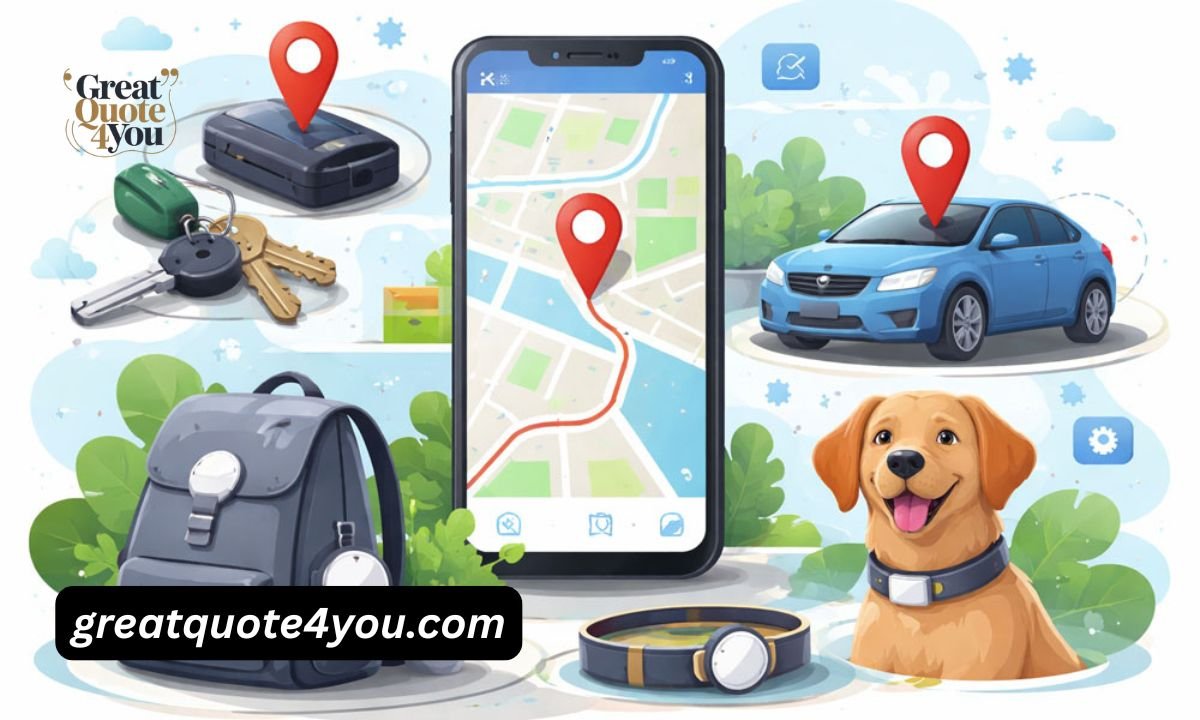
Losing something valuable — a car, a pet, a bag, or even a family member in a busy crowd — creates a kind of helplessness that modern technology is now well-equipped to solve.
A tracqueur is exactly the kind of tool that turns that helplessness into awareness, giving you real-time information about the things that matter most in your life.
Whether you are a parent trying to keep children safe, a business owner managing a delivery fleet, or simply someone who misplaces keys too often, understanding how a tracqueur works could genuinely change how you approach safety and organization every day.
What Is a Tracqueur in Simple Words?
A tracqueur is a device or system used to monitor the location, movement, or activity of an object, vehicle, person, or animal. The word itself comes from the French term for “tracker” — a label that explains its purpose cleanly: it follows something and reports back.
In practical terms, a tracqueur can be a small physical device attached to your car or pet’s collar, a software application embedded in your phone, or even a wearable fitness band on your wrist. Regardless of the form it takes, the goal is always the same — to gather position or behavior data and deliver that information to you in a way you can act on.
What makes a tracqueur genuinely useful is its ability to transform invisible movement into visible, real-time information. When something moves, the tracqueur knows. When something leaves a designated area, it alerts you. When something goes missing, it helps you find it.
How Does a Tracqueur Work Step by Step?
A tracqueur operates through a straightforward three-stage process:
- Detection — The device detects its current position using GPS satellites, Bluetooth signals, or Wi-Fi networks. It calculates its coordinates by communicating with multiple satellites or nearby signal sources simultaneously.
- Transmission — Once the position is calculated, the tracqueur sends that data through a communication network — typically a cellular GSM network or Wi-Fi connection — to a remote server in the cloud.
- Display — The server processes the incoming data and makes it accessible to the user through a mobile app or web dashboard. The user can then see the tracked item’s location on a map, review movement history, and receive alerts if something unusual happens.
This entire process can happen continuously in real time or at scheduled intervals depending on the device settings and the user’s preferences. Some systems update every few seconds; others check in every few minutes to conserve battery life.
Main Technologies Used in Tracqueur Systems
Several technologies work together inside a modern tracqueur to make tracking accurate and reliable:
| Technology | What It Does |
| GPS (Global Positioning System) | Uses satellite signals to calculate precise outdoor location coordinates |
| GSM / Cellular Networks | Transmits location data from the device to the server and user’s app |
| Bluetooth | Enables short-range tracking for personal items and indoor environments |
| Wi-Fi Positioning | Assists with location detection in urban areas and indoors where GPS signals are weak |
| RFID (Radio Frequency Identification) | Tracks items in logistics and warehousing without direct contact |
| IoT (Internet of Things) | Connects devices to share data automatically within smart systems |
| Sensors (Motion, Temperature, Speed) | Measure additional data points beyond just location |
| AI and Machine Learning | Analyzes tracking data to identify patterns and predict potential issues |
These technologies combine to create systems that are not just passive locators but active, intelligent monitoring tools capable of alerting you before problems escalate.
Different Types of Tracqueur You Should Know
Not all tracqueurs are built the same way or serve the same purpose. Understanding the key types helps you identify which one fits your needs:
- Vehicle Tracqueurs — Typically hardwired or plugged into a car’s OBD port. These provide real-time location, speed monitoring, route history, and theft alerts. Businesses use them across entire fleets for logistics management.
- Personal and Wearable Tracqueurs — Compact, lightweight devices designed to be worn or carried. Child safety models clip to school bags, elderly monitoring devices function as discreet wristbands, and personal safety models often include an SOS emergency button.
- Pet Tracqueurs — Attach to a collar and allow pet owners to locate animals that have wandered away. Rugged models designed for outdoor environments are particularly effective for pets and hiking.
- Asset and Luggage Tracqueurs — Small, coin-sized tracking devices that sit inside bags, luggage, or key rings. Bluetooth-based options work well at short range; GPS-enabled models provide wider coverage for travel.
- Fitness Tracqueurs — Wearable devices like smartwatches and fitness bands that monitor steps, heart rate, sleep patterns, GPS routes during exercise, and other health metrics.
- Software and Digital Tracqueurs — Unlike physical hardware, these monitor digital behavior — website visits, app usage, and user interactions. They are widely used in digital marketing, analytics, and cybersecurity.
Common Uses of Tracqueur in Daily Life
Tracqueur technology has moved well beyond niche professional applications and is now part of everyday life for millions of people:
- Vehicle theft prevention and recovery — Installing a tracqueur in your car allows you to locate it immediately if it is stolen and share coordinates with law enforcement
- Child safety monitoring — Parents can track school commutes, outdoor activities, or travel routes with a discreet personal device
- Pet location — Finding a lost pet quickly, especially in unfamiliar areas or after escape incidents
- Package and delivery tracking — Every time you track an online order in real time, a tracqueur system is working in the background
- Fleet management — Businesses monitor delivery drivers, optimize routes, reduce fuel waste, and improve customer service through real-time fleet data
- Elderly care — Families use location tracking for elderly relatives with dementia or mobility challenges to ensure safety
- Luggage tracking — Travellers place small trackers inside bags to locate them if lost or mishandled during flights
- Fitness and health monitoring — Tracking workout routes, step counts, heart rate trends, and sleep quality through wearable devices
Top Benefits of Using a Tracqueur
The reasons tracqueur technology has become so widely adopted come down to practical, tangible advantages:
- Real-time awareness. You always know where your vehicle, loved one, or valuable item is — without having to call or guess.
- Faster theft recovery. Law enforcement can recover stolen vehicles or assets far more successfully when precise location data is available immediately.
- Peace of mind. Knowing a child, elderly parent, or pet is safe and in the right place removes a significant source of daily anxiety.
- Business efficiency. Fleet operators reduce fuel costs, improve delivery accuracy, and monitor driver performance with data that was previously impossible to collect affordably.
- Historical route data. Most tracqueur systems store movement history, allowing you to review where something has been — useful for accountability, dispute resolution, and behavioral analysis.
- Geofencing alerts. Set a virtual boundary around a specific area. If the tracked item leaves that boundary, you receive an instant notification.
- Emergency SOS capability. Personal safety tracqueurs with SOS buttons can send emergency alerts with location coordinates directly to a designated contact or emergency service.
Limitations of Tracqueur You Should Know
Being realistic about what a tracqueur cannot do is just as important as understanding its benefits:
- GPS accuracy reduces indoors. Satellite signals weaken inside buildings, underground parking areas, and dense urban canyons. Accuracy typically ranges from 3 to 10 meters outdoors but can degrade significantly inside.
- Network dependence. Cellular-based tracqueurs require mobile network coverage to transmit data. In remote areas with poor signal, real-time updates may be delayed or unavailable.
- Battery limitations. Continuous real-time tracking drains battery faster. Balancing update frequency against battery life is an ongoing trade-off for physical devices.
- Subscription costs. Many GPS tracqueur services charge monthly fees for cellular data and platform access, adding ongoing costs beyond the initial device purchase.
- Privacy and ethical concerns. Tracking others without their knowledge can violate privacy laws and ethical standards. Responsible use requires consent and legal compliance.
- Vulnerability to jamming. GPS signal jammers can disrupt some tracking systems, which is a known weakness in high-stakes security applications.
How to Choose the Right Tracqueur for Your Needs?
Selecting the right tracqueur begins with being clear about what you want to track and why. Here is a practical decision framework:
- Define your tracking goal first. Lost keys and bags suit Bluetooth trackers. Vehicles need GPS with cellular connectivity. Children need personal safety devices with SOS buttons. Pets need rugged, waterproof collar attachments.
- Check battery life. For continuous monitoring, choose devices with long battery life or rechargeable options. Some hardwired vehicle tracqueurs run indefinitely from the car’s power.
- Evaluate network coverage. Confirm the device works reliably on cellular networks in the areas where you need it most.
- Assess subscription costs. Some devices offer GPS without a monthly subscription — ideal if you prefer simplicity. Others provide richer services for a recurring fee.
- Look for essential features. Geofencing alerts, real-time tracking, movement history, SOS buttons, and speed alerts are the most practically useful capabilities for most users.
- Consider durability. For outdoor, pet, or vehicle use, choose waterproof and shock-resistant models designed to survive real-world conditions.
- Evaluate the app. The quality of the companion mobile app matters enormously. Poor interfaces make even accurate trackers frustrating to use.
Easy Setup Guide for Your Tracqueur
Setting up a tracqueur is generally simpler than most technology products:
- Charge the device fully before first use
- Activate it using the SIM card or registration code provided with the device
- Download and install the official companion mobile app on your smartphone
- Pair the tracqueur with the app by following the in-app instructions
- Place or attach the device in its intended location — vehicle, bag, collar, or pocket
- Configure your preferences — set geofencing zones, alert thresholds, and update intervals
- Test the tracking system to confirm real-time location data is displaying correctly
Most reputable tracqueur devices complete this process in under 15 minutes. If something does not work during setup, the manufacturer’s support documentation or customer service team should be the first point of contact.
Is Using a Tracqueur Legal and Safe?
The legality of tracqueur use depends on what you are tracking and whether you have appropriate consent:
- Tracking your own property — Entirely legal in virtually every jurisdiction. Placing a tracqueur in your own car, bag, or device requires no consent from anyone.
- Tracking minor children — Broadly accepted and legal across most countries when done by parents or legal guardians for safety purposes.
- Fleet management with employees — Legal when employees are informed of tracking policies as part of their employment agreement. Documentation of consent is essential.
- Tracking another adult without their knowledge — This is where legal issues arise. In most countries, this violates privacy laws and can result in criminal charges.
Under GDPR in Europe and equivalent regulations in other regions, any organization tracking individuals must have a lawful basis for doing so and be fully transparent about it. For personal use, the principle is simple: tracking something you own or tracking someone who has consented is appropriate. Tracking others without consent is not.
Data security is equally important. Reputable tracqueur providers use end-to-end encryption to protect location data during transmission and storage. When choosing a provider, look for clear privacy policies, proper access controls, and transparent data retention practices.
Tracqueur in Modern Technology and Smart Systems
The tracqueur has become one of the foundational building blocks of the broader connected technology ecosystem. It no longer operates in isolation — it integrates with smart home systems, vehicle management platforms, healthcare applications, and enterprise analytics environments.
In logistics, tracqueur systems connect with route optimization software to automatically adjust delivery schedules based on real-time traffic and vehicle location data. In healthcare, wearable tracqueurs share health metrics directly with medical professionals for more personalized care monitoring. In smart cities, fleet and asset tracking data feeds into urban traffic management systems to reduce congestion and improve service delivery.
The Internet of Things (IoT) has accelerated this integration dramatically. As more devices connect to shared networks and data platforms, the tracqueur becomes less a standalone tool and more a data-generating node within a larger intelligent system — capable of informing decisions that once required human observation and guesswork.
Future of Tracqueur: What to Expect Next
The trajectory of tracqueur technology points toward systems that are smarter, smaller, and more deeply integrated into daily life:
- AI-powered predictive alerts — Machine learning will enable tracqueurs to anticipate problems before they occur, flagging unusual movement patterns or potential theft risks proactively rather than reactively
- Miniaturization — Devices are becoming smaller and lighter while maintaining longer battery life, making them easier to embed invisibly in a wider range of items
- 5G connectivity — Faster and more reliable networks will support more frequent location updates with lower latency, making real-time tracking truly real-time in practice
- Solar-powered tracqueurs — Battery limitations will reduce as solar-charged devices extend operational life in outdoor and vehicle environments
- Improved indoor tracking — Advances in Ultra-Wideband (UWB) technology and Wi-Fi positioning will significantly improve accuracy in environments where GPS currently struggles
- Deeper health integration — Wearable tracqueurs will expand their health monitoring capabilities, becoming central tools in preventive healthcare rather than simple fitness accessories
Conclusion
A tracqueur is no longer a niche security tool for large corporations or specialized agencies. It is a practical, accessible technology that anyone can use to protect the things they care about, organize their responsibilities more effectively, and gain the kind of awareness that reduces anxiety and improves decision-making.
Whether you want to know where your car is at midnight, confirm that an elderly parent arrived home safely, or optimize a delivery route across ten vehicles, a tracqueur gives you real information to act on — in real time. As the technology continues to evolve toward smaller, smarter, and more connected devices, the tracqueur’s role in everyday life will only grow more central and more valuable.
FAQs
What is a tracqueur?
A tracqueur is a device or software system used to monitor the location, movement, or activity of an object, vehicle, person, or animal, typically using GPS and cellular network technology.
How accurate is a tracqueur?
GPS-based tracqueurs are typically accurate within 3 to 10 meters in outdoor environments. Accuracy can decrease indoors or in areas with dense buildings or poor signal.
Do tracqueurs require a monthly subscription?
Many GPS tracqueurs require a monthly data subscription for cellular connectivity and platform access. Some Bluetooth-based models do not require a subscription but have shorter range.
Is it legal to use a tracqueur on someone else?
Tracking your own property is legal everywhere. Tracking another adult without their knowledge or consent typically violates privacy laws in most countries. Always obtain consent and check local regulations.
How long does a tracqueur battery last?
Battery life varies widely by model and update frequency. Some devices last days on continuous real-time tracking; others last weeks or months on interval-based updates. Hardwired vehicle models run indefinitely from the vehicle’s power supply.
Can a tracqueur work indoors?
GPS performance weakens indoors. Bluetooth and Wi-Fi-based tracqueurs perform better in indoor environments, though their range is more limited than GPS.
What is the difference between a tracqueur and a GPS tracker?
Functionally, they are the same thing. “Tracqueur” is a French-influenced spelling of “tracker” used by some European brands and in general discussions. Both refer to tracking devices using GPS and related technologies.
Can I track a pet with a tracqueur?
Yes — pet tracqueurs attach to collars and allow owners to locate animals that have wandered away in real time, with some models designed specifically for outdoor and rural environments.

Tony Robbins shares powerful motivational quotes and success-driven insights on GreatQuote4you to inspire confidence, growth, and positive action.