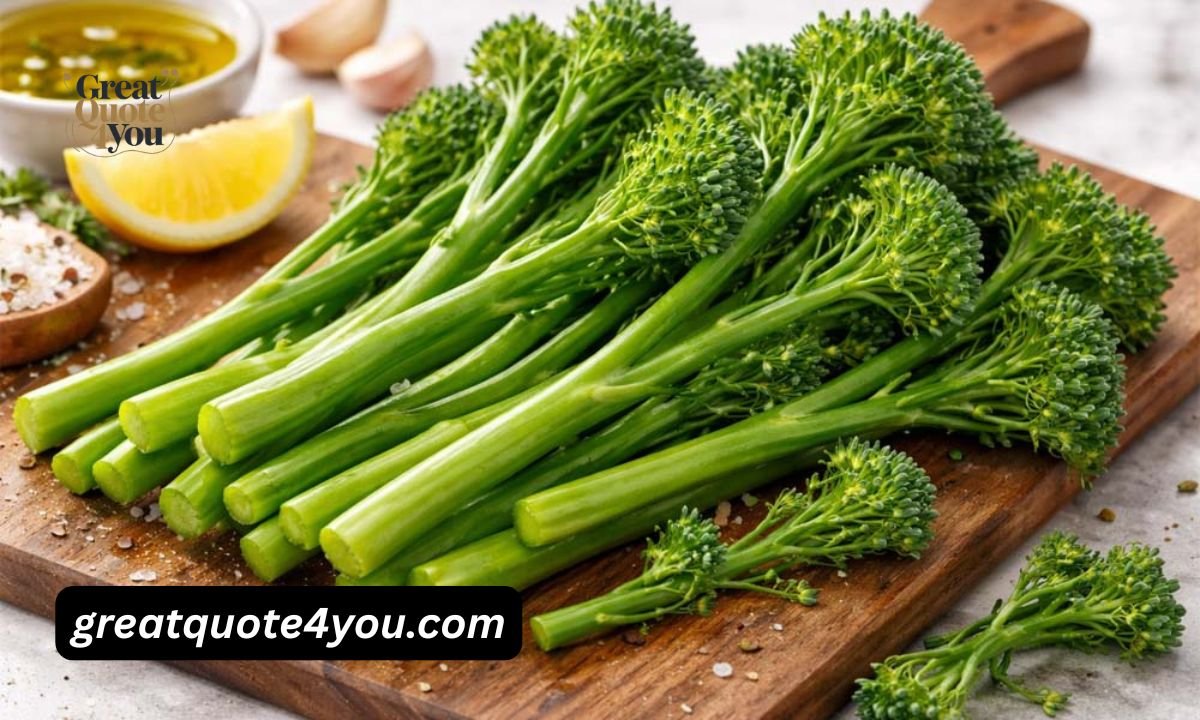
If you have been spending time in grocery stores, farmers’ markets, or health-focused restaurants lately, you may have noticed a slender, bright green vegetable with long tender stems and small compact florets.
That is crocolini — and it is quickly becoming one of the most talked-about vegetables of 2026. Whether you are a seasoned home cook, a nutrition enthusiast, or simply someone looking to eat a little better, crocolini deserves your attention.
This guide covers everything you need to know — from what it is and where it came from, to how to cook it, store it, and make it a regular part of your diet.
What Is Crocolini?
Crocolini is a modern hybrid green vegetable that belongs to the cruciferous family, closely related to broccoli, kale, and Chinese kale (also known as gai lan). It was created through selective plant breeding, combining the best qualities of broccoli and kale into a single vegetable that is tender, flavorful, and exceptionally nutritious.
Its defining physical features are long, slender stems topped with small, compact florets — similar in look to broccolini but with thinner stalks and a more delicate structure. The entire plant is edible: stems, florets, and leaves all have the same tender texture, which means minimal prep time and less food waste.
Crocolini has a mild, slightly sweet flavor with subtle vegetal notes that become richer when heat is applied. Compared to traditional broccoli, it is noticeably less bitter and more approachable — which is one reason it appeals even to people who typically dislike green vegetables.
Crocolini vs Broccoli: What’s the Difference?
Crocolini is often confused with both broccoli and broccolini, but each is distinct in important ways.
| Feature | Broccoli | Broccolini | Crocolini |
| Origin | Mediterranean | Broccoli + Chinese kale cross | Broccoli + kale cross |
| Stems | Thick, fibrous | Medium-length, firm | Long, thin, fully tender |
| Florets | Large, dense | Small-medium | Small, compact |
| Flavor | Earthy, slightly bitter | Mild, slightly bitter | Mild, subtly sweet |
| Cooking Time | Longer | Moderate | Quick |
| Edible Parts | Florets and trimmed stems | Florets and stems | Entire plant |
| Antioxidant Level | High | High | Higher (due to kale component) |
The key distinction is that crocolini includes kale in its genetic makeup, which gives it higher antioxidant levels than either broccoli or broccolini alone. Its thinner stems cook faster and more evenly, making it significantly more convenient for busy home cooks.
Where Did Crocolini Come From?
Crocolini’s development stems from agricultural breeding programs designed to meet the growing consumer demand for vegetables that are nutritious, easy to prepare, and visually appealing on the plate.
The exact geographic origin of crocolini is debated across sources, but the general consensus points to selective crossbreeding programs inspired by Mediterranean and Asian cooking traditions — both of which emphasize fresh, lightly cooked greens as central dietary components. Farmers and agricultural researchers focused on creating a plant that could grow efficiently across varied climates while delivering a more refined eating experience than traditional broccoli.
As consumer interest in plant-based eating and clean ingredient diets grew through the 2010s and into the 2020s, crocolini’s availability expanded significantly. It moved from specialty produce sections and restaurant kitchens into mainstream grocery stores and farmers’ markets worldwide. By 2026, it is a recognized name in health food circles and an increasingly common sight in everyday kitchens.
Why Crocolini Is So Popular in 2026?
Several converging trends explain why crocolini has reached a tipping point in 2026:
- Plant-based eating is mainstream. More people are reducing meat consumption and looking for vegetables that are satisfying, nutrient-dense, and genuinely enjoyable to eat. Crocolini fits that profile perfectly.
- Convenience matters. Crocolini requires minimal trimming and cooks quickly. For people with busy schedules who still want to eat well, it reduces both prep time and food waste.
- Chefs and food bloggers are driving awareness. Restaurant menus and social media have made crocolini visible to audiences who might never have encountered it in a grocery store otherwise.
- It looks good on the plate. Its bright green color and elegant stem structure make dishes look restaurant-quality with minimal effort — a quality that resonates strongly in an era of food photography and meal sharing.
- It suits almost every dietary style. Vegetarian, vegan, gluten-free, low-carb, and flexitarian diets all accommodate crocolini naturally. That broad compatibility has helped it reach a wide consumer base.
- Sustainability. Crocolini grows efficiently, requires minimal processing, and produces little waste due to its fully edible structure. Environmentally conscious consumers appreciate a vegetable that aligns with their values.
Crocolini Nutrition Facts (Simple Guide)
Crocolini is genuinely nutritious — not just trendy. Here is a straightforward breakdown of what it contains:
| Nutrient | Benefit |
| Vitamin C | Immune support, skin health, collagen production |
| Vitamin K | Bone density, healthy blood clotting |
| Vitamin A | Eye health, immune function |
| Folate | Cell growth and development |
| Potassium | Blood pressure regulation, heart function |
| Dietary Fiber | Digestive health, gut balance |
| Calcium | Bone and teeth strength |
| Iron | Oxygen transport, energy levels |
| Antioxidants | Protection against oxidative stress and inflammation |
Crocolini is low in calories and fat while delivering a meaningful amount of the nutrients the body needs daily. Because it is typically cooked lightly rather than heavily processed, it retains more of its nutritional value than many other prepared vegetables.
Health Benefits of Crocolini
The health case for crocolini is strong and covers multiple body systems:
- Immune system support. The high vitamin C content helps strengthen immune defenses and reduce the duration and severity of common illnesses.
- Heart health. Potassium and dietary fiber work together to support healthy blood pressure and cardiovascular function. Antioxidants in cruciferous vegetables are also associated with reduced risk of heart disease.
- Bone strength. Vitamin K plays a critical role in maintaining bone density, particularly important as people age and bone mineral content naturally decreases.
- Digestive health. Dietary fiber in crocolini supports healthy bowel movements, promotes beneficial gut bacteria, and helps maintain a balanced digestive system.
- Reduced inflammation. Antioxidants and phytochemicals in crocolini help neutralize free radicals, reducing oxidative stress and chronic inflammation.
- Eye health. Vitamin A supports healthy vision and may help protect against age-related eye conditions.
- Cancer risk reduction. Like other cruciferous vegetables, crocolini contains compounds that research associates with reduced risk of certain cancers, though more research is ongoing in this area.
Is Crocolini Good for Weight Loss?
Yes — crocolini is an excellent choice for people focused on weight management. Its combination of characteristics makes it practically ideal for this purpose:
- It is low in calories while being filling due to its fiber content
- Fiber promotes satiety, helping reduce unnecessary snacking between meals
- Its mild sweetness makes it satisfying without added sugars or fats
- It is nutrient-dense, meaning the body gets real nutritional value from each serving rather than empty calories
- It works well in simple, clean meals without requiring heavy sauces or high-calorie additions
Including crocolini regularly in meals supports portion control and long-term dietary goals without making eating feel restrictive.
How to Cook Crocolini (Easy Ways)?
Crocolini’s quick cooking time and mild flavor make it genuinely easy to prepare well. Here are the best methods:
- Steaming — Preserve the bright green color and maximum nutrients by steaming crocolini for 3 to 5 minutes. Finish with olive oil, a squeeze of lemon, and a pinch of sea salt. This is the best method for nutrient retention.
- Sautéing — Heat olive oil in a pan, add garlic, and sauté crocolini over medium heat for 4 to 6 minutes. This brings out its natural sweetness and works beautifully as a side dish or pasta topping.
- Roasting — Toss with olive oil, salt, pepper, and optional chili flakes. Roast at 200°C (400°F) for 10 to 15 minutes until the stems are tender and the floret tips develop a slight caramelized edge. This method adds depth of flavor.
- Stir-frying — Crocolini’s thin stems cook rapidly in a hot wok or frying pan, making it perfect for Asian-inspired stir-fries with soy sauce, ginger, and sesame oil.
- Blanching — Plunge crocolini into boiling salted water for 2 to 3 minutes, then immediately transfer to ice water. This method is ideal for salad preparation, where you want a tender but still-crisp texture.
- Grilling — Brush with olive oil and grill for 3 to 4 minutes per side. Grilling adds a subtle smokiness that makes crocolini an excellent accompaniment to meat or fish dishes.
Best Ways to Eat Crocolini in Meals
Crocolini works across a remarkable range of recipes and cuisines:
- Tossed with pasta, garlic, lemon zest, and Parmesan
- Added to stir-fries with tofu, chicken, or shrimp
- Layered into grain bowls with quinoa, chickpeas, and tahini dressing
- Sliced thinly and used raw in salads with nuts and citrus dressing
- Folded into frittatas or egg dishes for a nutritious breakfast
- Served as a side dish alongside grilled fish or roasted chicken
- Added to soups and vegetable stews in the final few minutes of cooking
- Used as a pizza topping with mozzarella, garlic, and chili
Its mild sweetness and tender texture mean it does not overpower other ingredients — making it a natural team player in mixed dishes.
How to Store Crocolini the Right Way?
Proper storage keeps crocolini fresh longer and preserves its nutritional value:
- Store unwashed crocolini in the refrigerator in a breathable bag or loosely wrapped in a damp paper towel
- Keep it in the crisper drawer away from ethylene-producing fruits like apples and bananas
- Use within 3 to 5 days of purchase for the best flavor and nutritional content
- Do not wash it before storing — moisture accelerates spoilage
- For longer storage, blanch and freeze it in airtight containers for up to three months
How to Pick Fresh Crocolini?
When selecting crocolini at the market, look for these signs of quality:
- Color: Vibrant, rich green throughout — no yellowing or brown patches
- Stems: Firm but not woody; they should have a slight snap when bent
- Florets: Compact and tight, not opening or spreading loosely
- Smell: Fresh and clean with a mild vegetal scent — no sour or off odors
- Leaves: Small, crisp, and intact if present
Avoid crocolini with wilted stems, yellowing florets, or any sliminess, which indicates age or poor storage.
Common Mistakes When Cooking Crocolini
Even a simple vegetable can be let down by poor preparation. The most common mistakes to avoid are:
- Overcooking it. Crocolini cooks quickly. More than 6 to 8 minutes in most methods will result in mushy, dull-colored stems that lose their bright appeal and much of their nutritional value.
- Not seasoning properly. Crocolini’s mild flavor needs a little help — salt, lemon juice, garlic, or chili are simple additions that make a significant difference.
- Using too much oil. A light coating is all that is needed. Excess oil makes the dish heavy and masks the vegetable’s natural sweetness.
- Skipping the blanch-and-shock step for salads. Raw crocolini can be slightly tough — a quick blanch and ice bath gives the perfect salad texture.
- Cutting stems unevenly. Uneven pieces cook at different rates. Keep stems roughly the same length for uniform results.
Crocolini in Different Cuisines
One of crocolini’s greatest strengths is its adaptability across global cooking traditions:
- Mediterranean cooking — Sautéed with olive oil, garlic, lemon, capers, and olives. Works beautifully alongside pasta or as part of an antipasto spread.
- Asian cuisine — Stir-fried with soy sauce, oyster sauce, ginger, and sesame. It also appears in ramen bowls, rice dishes, and dumpling fillings.
- Italian pasta dishes — Tossed with orecchiette, anchovies, chili, and garlic — a classic southern Italian approach that translates beautifully to crocolini.
- Middle Eastern-inspired bowls — Paired with tahini, pomegranate molasses, toasted pine nuts, and warm spices for a deeply satisfying grain bowl component.
- Contemporary fusion — Used as a garnish, side component, or main vegetable in health-forward restaurant cooking where visual appeal and nutrition are equally prioritized.
Why You Should Add Crocolini to Your Diet?
The case for adding crocolini to your regular rotation is compelling and practical:
- It delivers significant nutritional value in a low-calorie, low-fat package
- It is faster to prepare than most vegetables and requires no peeling or heavy trimming
- Its mild flavor works in virtually any cuisine or cooking style
- It suits every major dietary approach — vegan, vegetarian, gluten-free, low-carb, Mediterranean
- It reduces food waste because the entire plant is edible
- It tastes genuinely good, making healthy eating easier to sustain
- It supports long-term wellness goals without requiring expensive supplements or complicated meal planning
For families, busy individuals, athletes, or anyone trying to eat more plants with less effort, crocolini removes almost every barrier to making that happen.
Conclusion
Crocolini’s rise in 2026 is not the product of a passing food trend — it reflects a genuine shift in how people think about eating. As more consumers prioritize vegetables that are nutritious, convenient, sustainable, and actually enjoyable to eat, crocolini sits at the exact intersection of all four qualities.
It is tender where broccoli is tough, milder where kale is bitter, and faster to cook than almost any cruciferous vegetable you will find. Whether you roast it until caramelized, steam it with lemon and olive oil, or toss it into a stir-fry, crocolini delivers every time. Add it to your next grocery list — your plate, your health, and your taste buds will all be better for it.
Frequently Asked Questions
What exactly is crocolini?
Crocolini is a hybrid vegetable created by crossbreeding broccoli with kale, featuring long tender stems, small florets, and a mild, slightly sweet flavor. The entire plant is edible.
Is crocolini the same as broccolini?
No — broccolini is a cross between broccoli and Chinese kale, while crocolini includes kale in its parentage, giving it higher antioxidant levels and a slightly sweeter, more delicate flavor.
How do you cook crocolini?
It can be steamed, sautéed, roasted, stir-fried, grilled, or blanched — it cooks in 4 to 8 minutes using most methods, making it one of the quickest vegetables to prepare.
Is crocolini good for you?
Yes — it is rich in vitamins C, K, and A, dietary fiber, potassium, folate, and antioxidants, supporting immune health, bone strength, digestion, and heart function.
Can you eat crocolini raw?
Yes — it can be eaten raw, thinly sliced in salads. A quick blanch and ice bath improves the texture for raw preparations.
How long does crocolini last in the fridge?
Stored unwashed in a breathable bag in the crisper drawer, fresh crocolini stays at its best for 3 to 5 days.
Is crocolini good for weight loss?
Yes — it is low in calories, high in fiber, and very filling, making it an ideal vegetable for people managing their weight.
Where can you buy crocolini?
It is increasingly available at grocery stores, specialty produce sections, health food stores, and farmers’ markets. Its availability has grown significantly through 2025 and 2026.

Tony Robbins shares powerful motivational quotes and success-driven insights on GreatQuote4you to inspire confidence, growth, and positive action.